




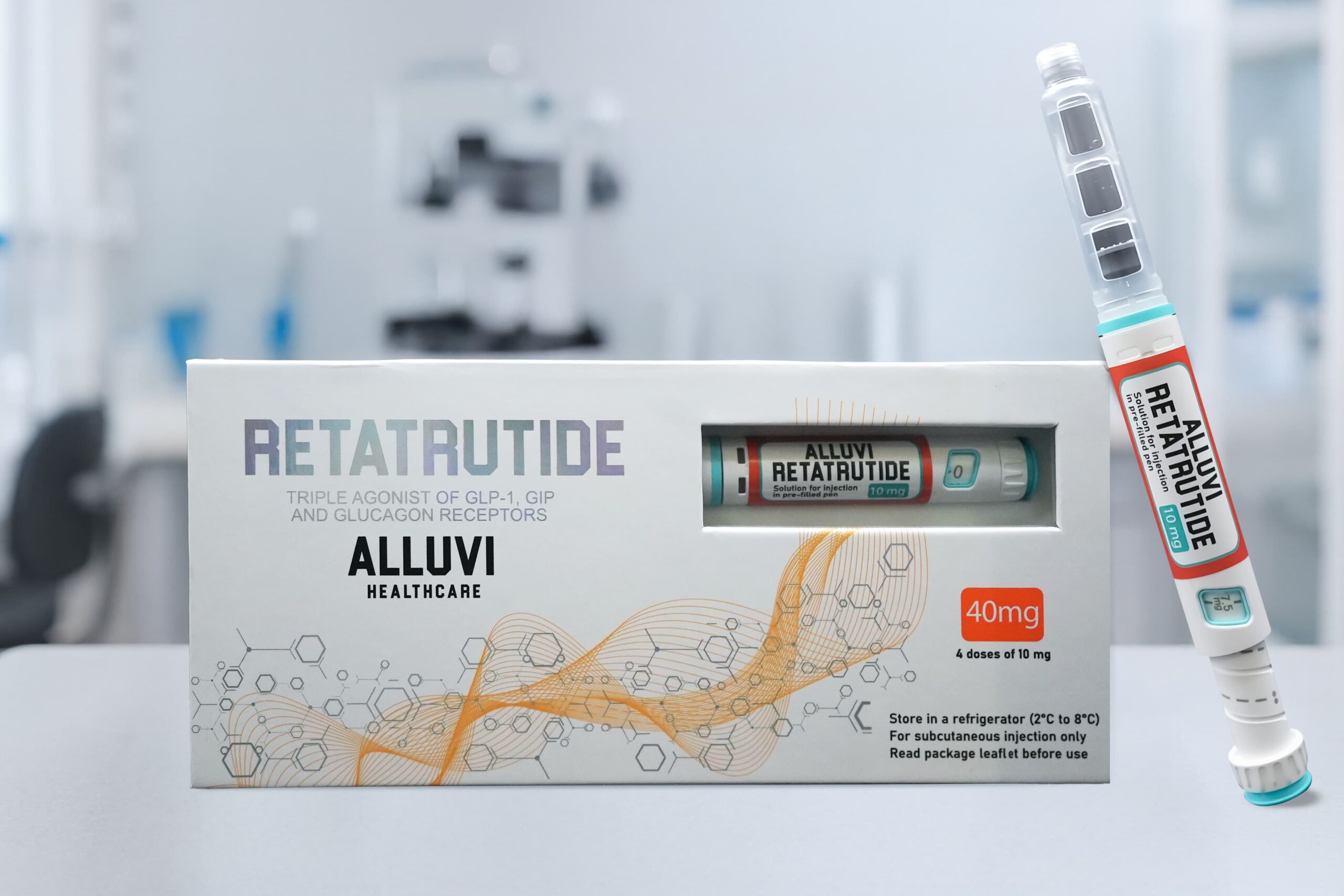
Retatrutide Peptide: Comprehensive Guide
What Is Retatrutide Peptide?
Retatrutide peptide is a synthetic peptide that has attracted significant interest in metabolic and endocrine research. It functions as a triple receptor agonist, simultaneously targeting the glucagon-like peptide-1 (GLP-1), glucose-dependent insulinotropic polypeptide (GIP), and glucagon receptors. This unique mechanism distinguishes Retatrutide peptide from single- and dual-receptor agonists currently under investigation.
Scientists are studying Retatrutide to better understand its potential effects on glucose regulation, energy expenditure, body weight, and overall metabolic function. It is intended for research purposes only and should be used in accordance with applicable laws and regulations.
How Retatrutide Works
Retatrutide peptide is designed to activate three important metabolic pathways:
GLP-1 Receptor Activation
GLP-1 receptor activation has been studied for its role in:
- Glucose regulation
- Appetite signaling
- Gastric emptying
- Insulin secretion
GIP Receptor Activation
Research involving GIP receptor agonists focuses on:
- Metabolic regulation
- Insulin response
- Energy utilization
- Fat metabolism
Glucagon Receptor Activation
Activation of the glucagon receptor is being investigated for its influence on:
- Energy expenditure
- Lipid metabolism
- Fat oxidation
- Overall metabolic activity
The combination of these three mechanisms makes Retatrutide one of the most extensively researched investigational peptides in metabolic science.
Research Applications of Retatrutide
Retatrutide peptide is currently being investigated in several scientific fields, including:
- Obesity research
- Metabolic syndrome studies
- Type 2 diabetes research
- Body weight regulation
- Glucose metabolism
- Endocrinology
- Insulin sensitivity research
- Energy expenditure
- Lipid metabolism
- Hormonal regulation
Research in these areas remains ongoing, and conclusions continue to evolve as new data become available.
Key Features
- Triple hormone receptor agonist
- Investigational metabolic peptide
- Advanced research compound
- High laboratory purity
- Suitable for scientific research
- Stable peptide formulation
- Manufactured under quality-controlled conditions
Potential Areas of Scientific Interest
Researchers continue to evaluate Retatrutide for its possible role in understanding:
- Metabolic disorders
- Hormonal signaling pathways
- Body composition
- Glucose homeostasis
- Energy balance
- Fat metabolism
- Insulin physiology
Storage and Handling
Proper storage is essential to preserve peptide integrity.
General recommendations include:
- Store according to the manufacturer’s instructions.
- Keep protected from heat, moisture, and direct sunlight.
- Maintain appropriate refrigeration or freezing conditions if specified.
- Handle using standard laboratory procedures.
Always consult the product documentation for specific storage requirements.
Quality Considerations
When sourcing Retatrutide peptide for research, important considerations include:
- Product purity
- Manufacturing quality
- Batch consistency
- Laboratory documentation
- Appropriate handling and storage
High-quality research materials support reproducibility and reliable scientific outcomes.
Frequently Asked Questions
What is Retatrutide?
Retatrutide peptide is a synthetic peptide that acts as a triple receptor agonist targeting GLP-1, GIP, and glucagon receptors for scientific research.
What is Retatrutide used for?
Retatrutide peptide is primarily used in laboratory and preclinical research investigating metabolic regulation, glucose metabolism, obesity, and endocrine function.
Is Retatrutide approved for general medical use?
Regulatory approval varies by country. Researchers should consult the relevant regulatory authorities and product labeling for the current status.
What makes Retatrutide unique?
Unlike many investigational peptides that target one or two receptors, Retatrutide peptide activates three separate metabolic pathways simultaneously, making it a unique subject of metabolic research.
What receptors does Retatrutide target?
Retatrutide peptide targets:
- GLP-1 receptors
- GIP receptors
- Glucagon receptors
Is Retatrutide intended for laboratory research?
Yes. Retatrutide peptide is generally supplied for laboratory and scientific research in accordance with applicable regulations and manufacturer guidance.
Why Retatrutide Is Receiving Attention
The scientific community has shown growing interest in Retatrutide because of its innovative triple-receptor mechanism and its potential to expand understanding of metabolic regulation. Ongoing research continues to explore its pharmacological properties, receptor interactions, and role in advancing metabolic science.





Reviews
Clear filtersThere are no reviews yet.